
April 28, 2026 · 22 min read
The World's Best Fully Vegan Restaurants: What the Michelin Guide Knows That Most People Still Don't

@admin
I'll be upfront: I haven't eaten at any of these restaurants. Not one. This list is built entirely from research - Michelin guides, chef interviews, food journalism, and the kind of deep reading you do when you're building a platform about vegan food and genuinely want to understand what "exceptional" looks like in a plant-based kitchen.
The Michelin vegan filter currently lists 56 fully vegan restaurants worldwide - 8 of them with at least one Star, 11 with Bib Gourmand, plus the rest as selected listings or Green Star holders. This article focuses on the most decorated end: every fully vegan restaurant currently holding a Star, Bib Gourmand, or Green Star, plus a handful of historically significant cases that earned recognition while fully plant-based and have since closed or transitioned. One outlier is included separately: L'Arpège in Paris, the only three-star restaurant in the world serving an entirely plant-based menu - though honey from the chef's own beehives keeps it from strictly fully-vegan classification. The more interesting thing across all of them is that no two got there the same way. There is no template, no canon, no shared technique. Each one is its own argument for what a plant-based kitchen can be.
Explore the full pack: https://www.plantspack.com/packs/michelin-recognized-vegan-restaurants
Note: Michelin does have a vegan filter on its guide site, currently listing 56 fully vegan restaurants worldwide. This article does not cover all 56 - it is a curated subset focused on the highest tiers of recognition (Stars, Bib Gourmand, Green Stars), plus a small number of historically significant cases and one near-vegan three-star outlier (L'Arpège in Paris, plant-based since July 2025 with honey from the chef's own beehives as the single exception). Inclusion criteria: the restaurant currently holds, or historically held while fully plant-based or near-vegan, at least one of those forms of Michelin recognition. Numbers and statuses change - always check current Michelin guides before booking.
One thing worth saying upfront: Michelin isn't leading plant-based fine dining. It's catching up to it. Seven Swans' 2020 star was the guide's first recognition of a fully vegan restaurant - by then, plant-based fine dining had been a real pursuit for over a decade. Most of the kitchens below built their audiences and developed their kitchen identities first. The guide arrived later to confirm what regulars already knew. That ordering matters when you read a list like this: it is a guide-led documentation of a chef-led movement, not the other way around.
What the badges mean
★ Michelin Star - The guide's highest culinary award. Getting one as a fully vegan restaurant means convincing inspectors trained on classical technique - butter, cream, animal protein - that plants are the entire point, not a concession.
Bib Gourmand - Michelin's award for exceptional food at moderate prices. In some ways harder to earn than a star, because the inspectors expect outstanding consistency without the luxury markup.
🌿 Green Star - Introduced in 2020 for outstanding sustainability commitment. A restaurant can hold both a red star and a green star, or either, or neither. It represents a whole separate set of values the guide is now trying to recognize.
★ Michelin Stars
The ones that convinced the harshest critics in food that a plant-based kitchen can be world-class.
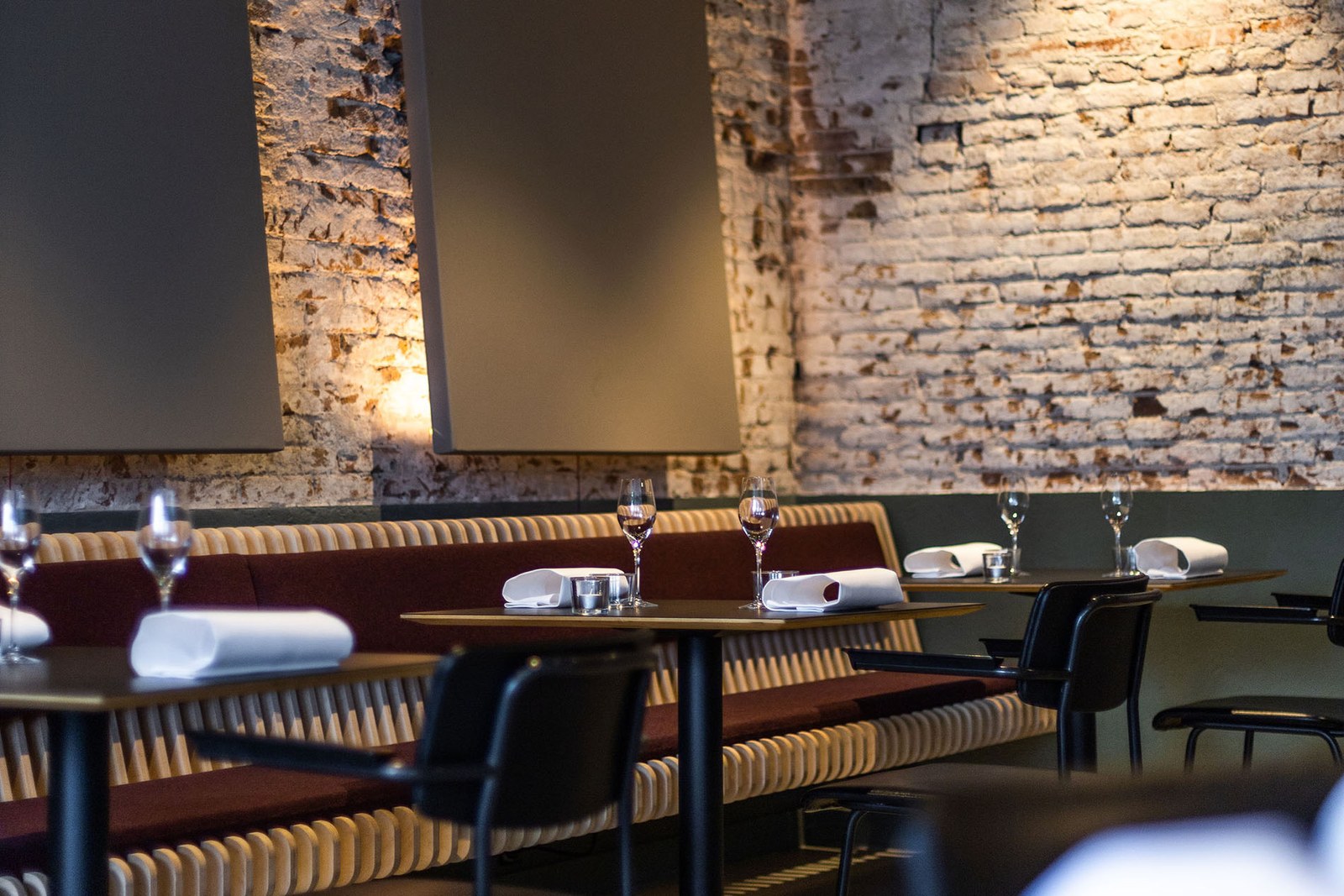
Chef Emile van der Staak holds the most remarkable record in vegan fine dining: two red Michelin stars, for a menu with zero animal products. No other fully vegan restaurant on earth has matched this. The kitchen is rooted in what he calls "botanical gastronomy" - a philosophy built around the Ketelbroek Food Forest near Groesbeek, a self-sustaining ecosystem he helped develop with friend Wouter van Eck. The menu changes three times a year around micro-seasons that most kitchens don't even track.
What keeps pulling me back to reading about this place is the specificity of the fermentation work. His team makes a "butter" from sunflowers - not approximating butter, actually rethinking what butter's function is in a dish and rebuilding it from plants. They torch the fermented skin from kombucha (SCOBY) into a tuile that apparently tastes uncannily of prawn. No ocean anywhere in the recipe. I have no explanation for how that's possible and I find it genuinely exciting that it is.
Thirty guests. A 17th-century vaulted cellar. An open kitchen. If I'm ever in Nijmegen - and now I want to be - this is the first place I'd book.
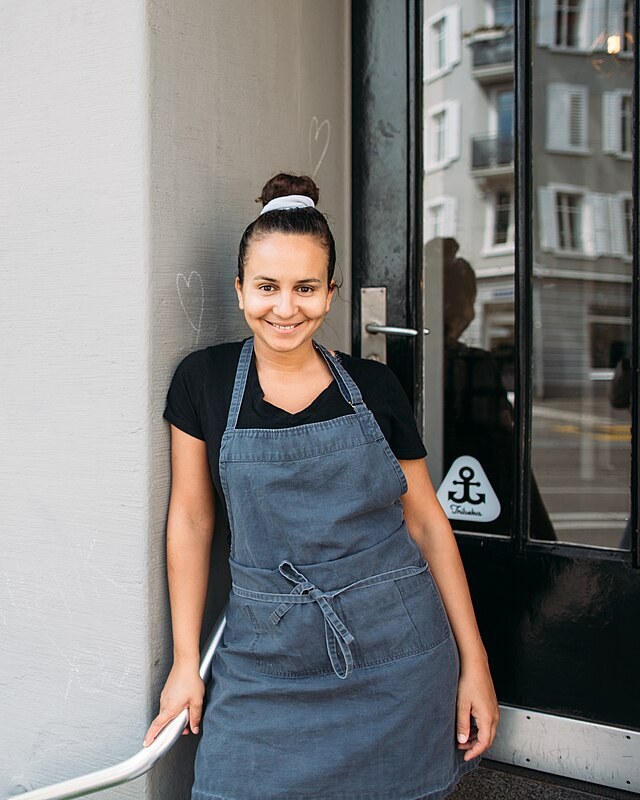
Chef Zineb "Zizi" Hattab was a software engineer before she opened KLE in Zurich in 2020. She has no formal culinary school background. She is Moroccan-Spanish. She opened in a neighborhood called Wiedikon in a city that is not known for adventurous food. In 2021 she got a Michelin Green Star. In 2022 she got a Michelin Star. KLE became Switzerland's first vegan restaurant to hold both.
The tasting menu draws on Moroccan and Mexican influences and changes with every season. I keep thinking about the combination: a Swiss address, a North African and Latin American palate, applied entirely to vegetables. It doesn't fit neatly into any category, which I think is exactly the point. The path from software to a Michelin star via a 100% plant-based kitchen is not one that has a template. Hattab apparently made one anyway.
Her sister restaurant Dar (also on this list) serves Moroccan sharing food around the corner and is every bit as worth visiting.
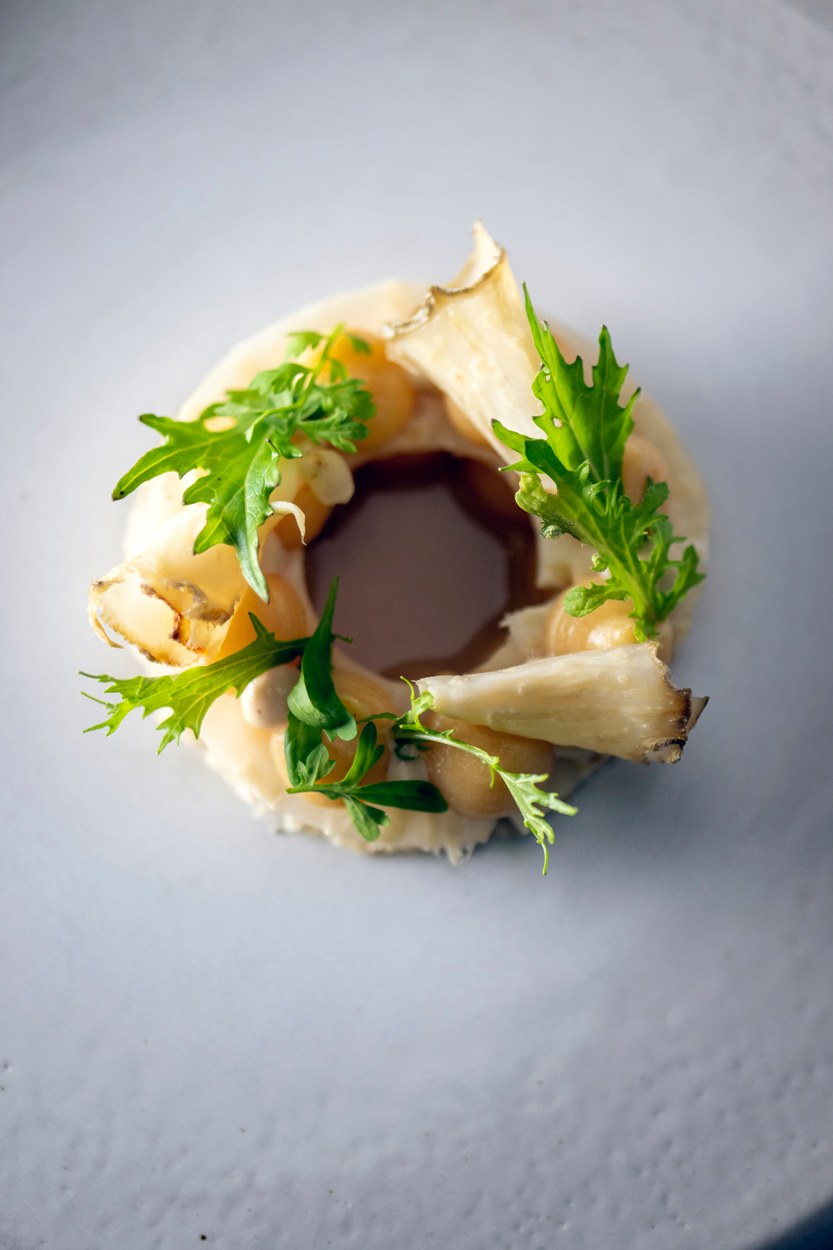
Belgium's first plant-based Michelin Star arrived in 2023. The tasting menu at Humus x Hortense in Ixelles follows 24 micro-seasons - a framework built almost entirely on harvests from the Le Monde des Mille Couleurs wild farm. The dining room is an Art Nouveau space with gilded ceilings and angel frescoes, which creates a specific tension I find appealing: wild-farmed, hyper-seasonal, sustainability-driven food served in a room that looks like it belongs in a Klimt painting.
The name is the whole concept compressed into three words: Humus (soil, the foundation everything grows from) and Hortense (a woman's name, reclaiming something overlooked). I don't know if I'm over-reading into that but it keeps sticking with me. The Green Star came in 2021, two years before the red star - which means the sustainability commitment came first, the culinary excellence was recognized later. That ordering feels significant.
The world's first vegan Michelin-starred restaurant - and it's in a building 6 meters wide. Seven Swans occupies the narrowest structure in Frankfurt, squeezed onto the Main riverfront. Chef Ricky Saward took it over in 2019 and went fully vegan. A year later: one Michelin star. Then a Green Star. Every ingredient comes from their own farm in the Taunus mountains, or within 30 kilometers. Pre-pandemic, tables were booked weeks out for a room that seats 22 people.
There's something about the constraint of the building - the physical narrowness of it - that I keep thinking mirrors what makes the place interesting. You don't need space to do exceptional things. You need specificity. The farm-to-table story isn't unusual anymore, but "we own the farm and it's 30km from this table" is a different statement than most restaurants can make.
I've read that sitting by the riverside windows while eating something they pulled from the ground three days ago is its own kind of feeling. I believe it.
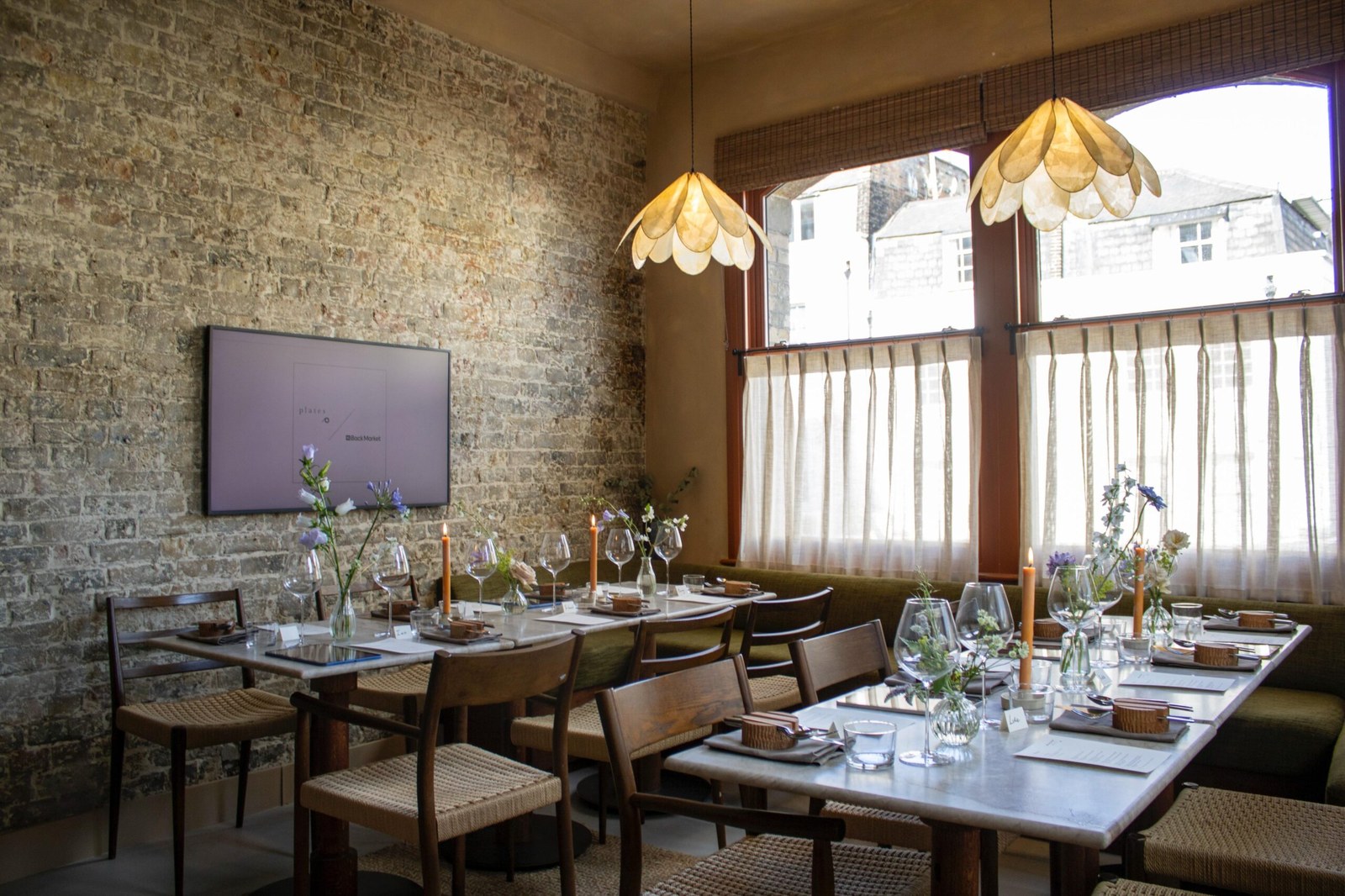
February 2025. The UK's first fully vegan restaurant earns a Michelin star. Kirk Haworth trained at The French Laundry and Restaurant Sat Bains - two of the most technically demanding kitchens in the world. He opened Plates in a 25-seat counter in Shoreditch with his sister Keeley. The format is a tasting menu, the address is East London, and the cooking is described as applying classical technique entirely to seasonal plants and grains.
I'm aware I'm writing about this eight months after it happened and it still feels new. The UK has had a vegan food culture for decades - this is the country that invented the V-label - but a Michelin star for a fully vegan restaurant took until 2025. Better late than never, and from what I've read about the food, it sounds like it was worth the wait.
Asia's first Michelin-starred fully vegan restaurant according to the Michelin Guide itself, earning its star in the Seoul and Busan 2025 edition. Chef Sung Si-woo opened Légume in 2023 near Sinsa Station in Gangnam, and the concept is a contemporary reinterpretation of Korean vegetarian traditions - the kind of plant-forward cooking that has existed in Korean Buddhist cuisine for centuries, rebuilt through a modern fine-dining lens.
Seoul is doing something interesting right now in vegan fine dining. Three restaurants on this list are in South Korea. The country that gave the world Korean BBQ is quietly building what might be the most interesting cluster of plant-based fine dining outside Europe. That feels like a story worth paying attention to.
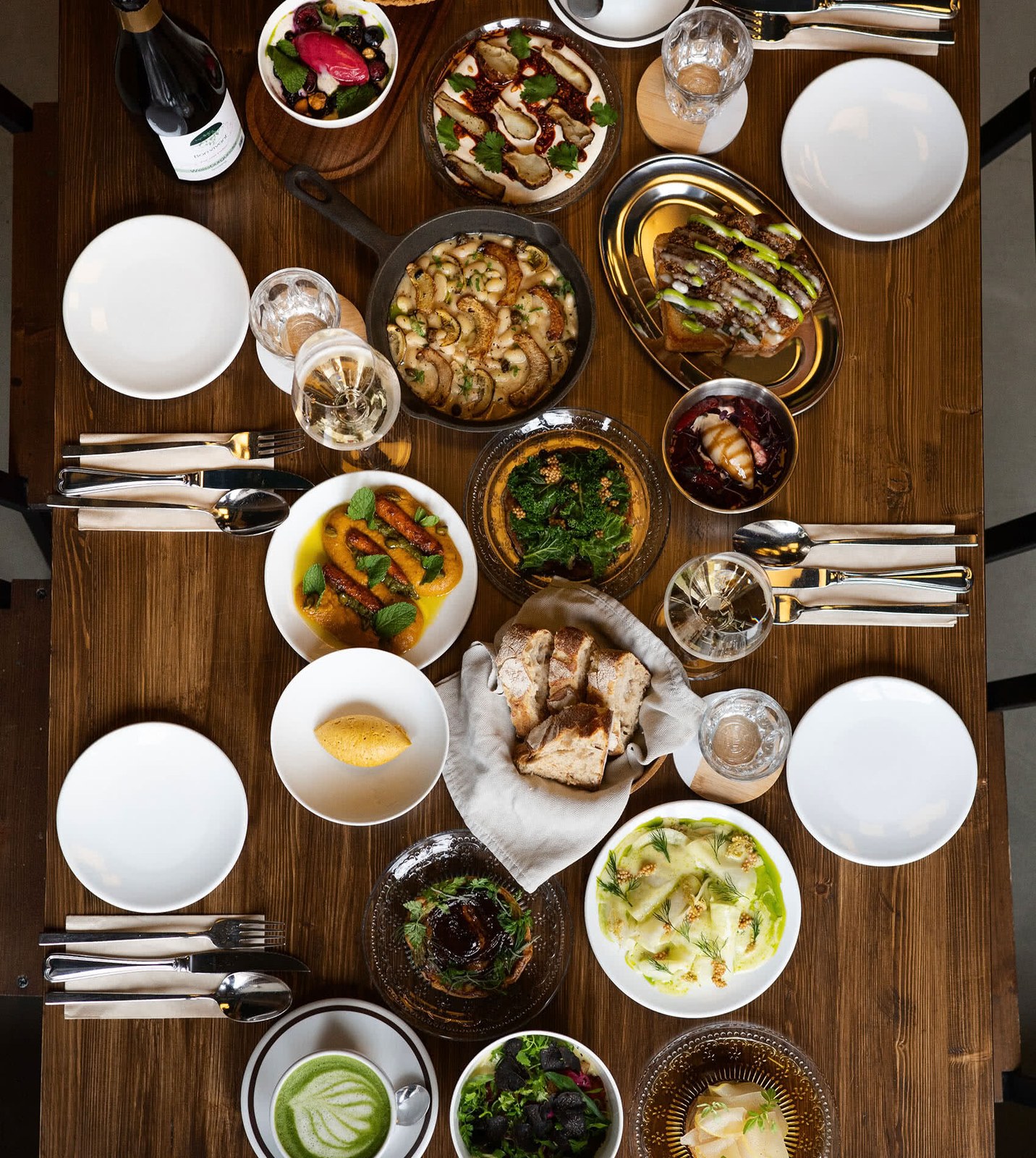
January 2025: Bonvivant went fully plant-based. A Michelin-starred Berlin restaurant - already recognized for exceptional cocktails and a tasting menu - made the switch to 100% vegan at the start of 2025. Head chef Nikodemus Berger runs the food program; the cocktail identity stayed intact.
What I find interesting about this one isn't just the quality. It's the timing and the speed. Going fully vegan on January 1st of a year when the Michelin star is already in place is a bet that your cooking can hold up with every animal product removed. From the outside, that's a remarkable level of confidence. The Schöneberg address and the cocktail program make it feel like the most approachable of the starred restaurants on this list - a place you'd go for the full evening experience rather than just a tasting menu.
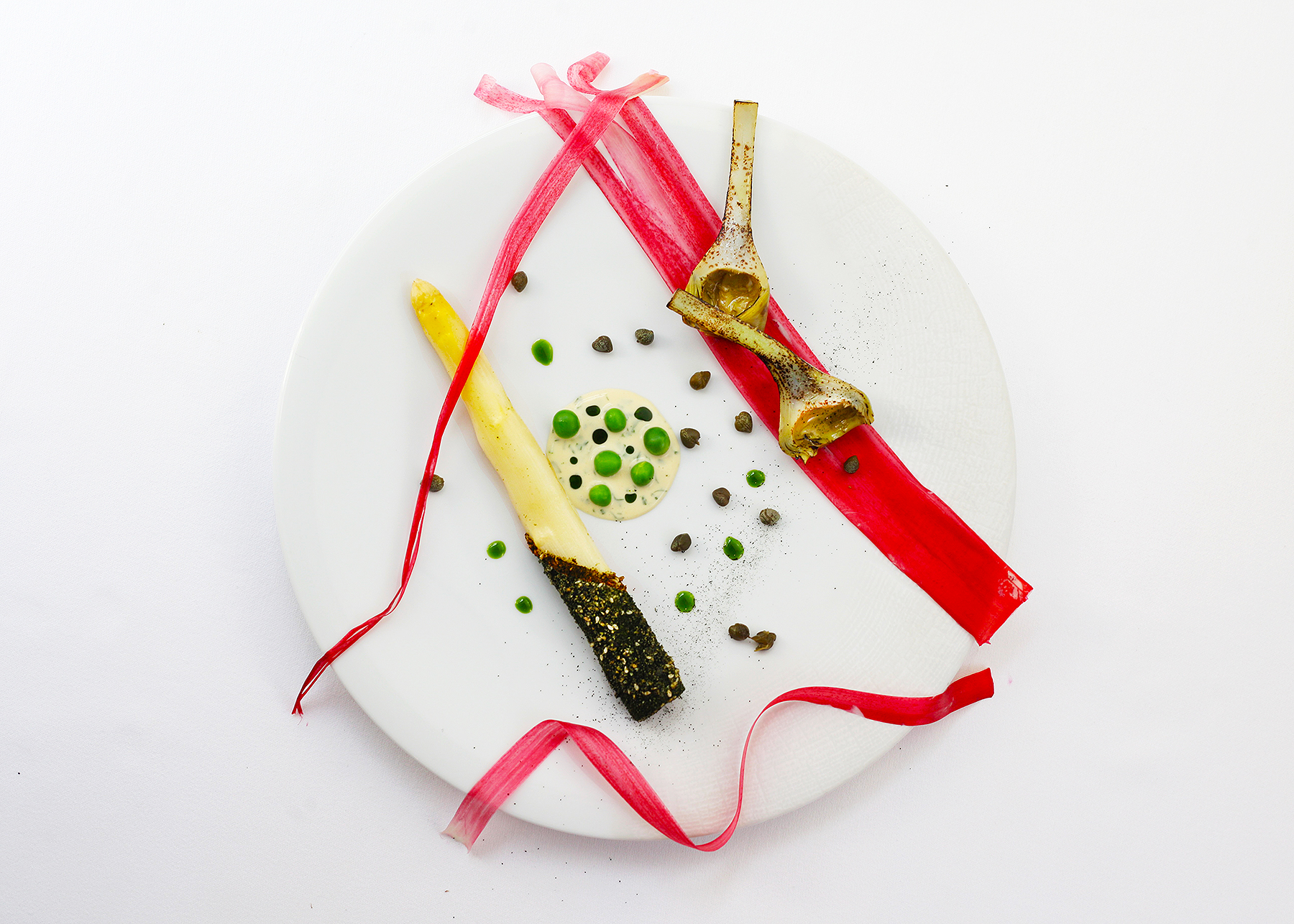
Alexis Gauthier had a Michelin Star and a comfortable French menu. In 2021 he removed every animal product from his Soho dining room. He has been open about losing some of his regular customers and unbothered about it. The technique stayed: classical French foundations - reductions, dauphinois, sauces - applied entirely to plants.
It is still one of the most formal vegan rooms in the UK. Linen tables, classical service, tasting menus that take the kind of approach to white asparagus or creamed morels you would expect from a chef who has run a starred kitchen for two decades.
What I keep thinking about with Gauthier Soho is the contrast between this and Plates. Plates was designed vegan from the start; Gauthier was a Michelin-starred meat kitchen that walked away from animal products mid-career. Both got there. Both kept their stars. The path is the difference.
Bib Gourmand
Exceptional food at prices that don't require a special occasion to justify.
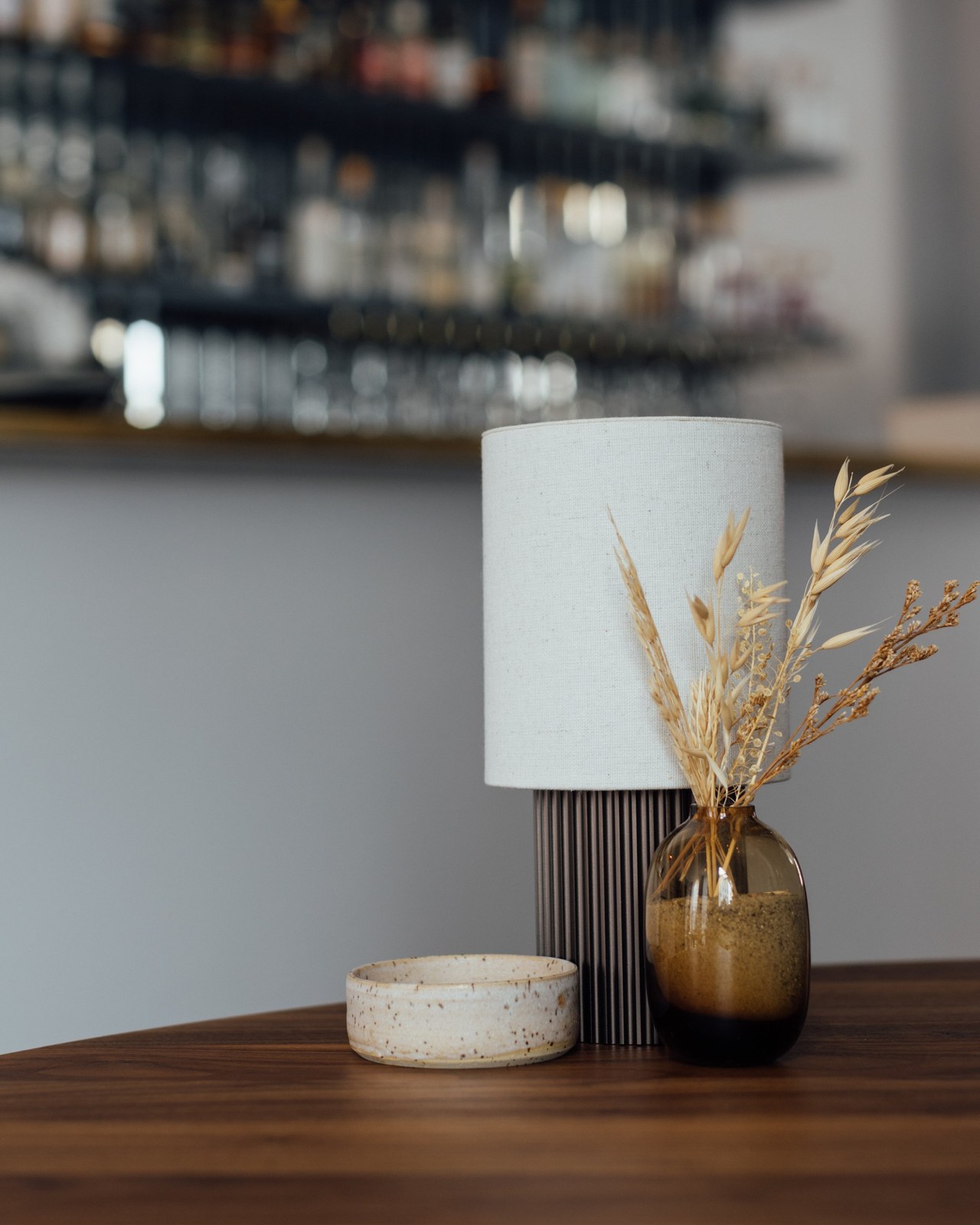
Copenhagen has produced some of the most influential fine dining of the last 20 years, but Bistro Lupa earns its recognition at a different price point. Bib Gourmand and Green Star for a plant-based bistro in Østerbro built on foraging, farming, and fermentation. Zero-waste kitchen. Seasonal menu. The room is described as lively and accessible - somewhere you'd go on a regular Tuesday.
I've been thinking about the Green Star alongside the Bib Gourmand pairing. It's not common to hold both. The Bib is essentially Michelin saying "we'd go here for good value on a weeknight." The Green Star is them saying "this kitchen is thinking seriously about what food production costs the planet." To do both simultaneously - at accessible prices - is genuinely difficult.

Dar is the sister restaurant to the Michelin-starred KLE, both from chef Zineb Hattab. Where KLE is a tasting menu, Dar is Moroccan sharing food - harira, couscous, tapas-style bites, all fully plant-based in a cocktail bar setting two minutes away. Same Wiedikon neighborhood. Different energy entirely.
I think about how unusual it is to have one chef with two recognized restaurants in the same neighborhood, one with a star and one with a Bib, built on completely different formats. The Moroccan-Spanish influence that threads through both - that's Hattab's own heritage, and it shows up as a specific flavor intelligence that makes both places feel unlike anywhere else in Zurich. Dar in particular sounds like the kind of place you stay at for three hours without noticing.
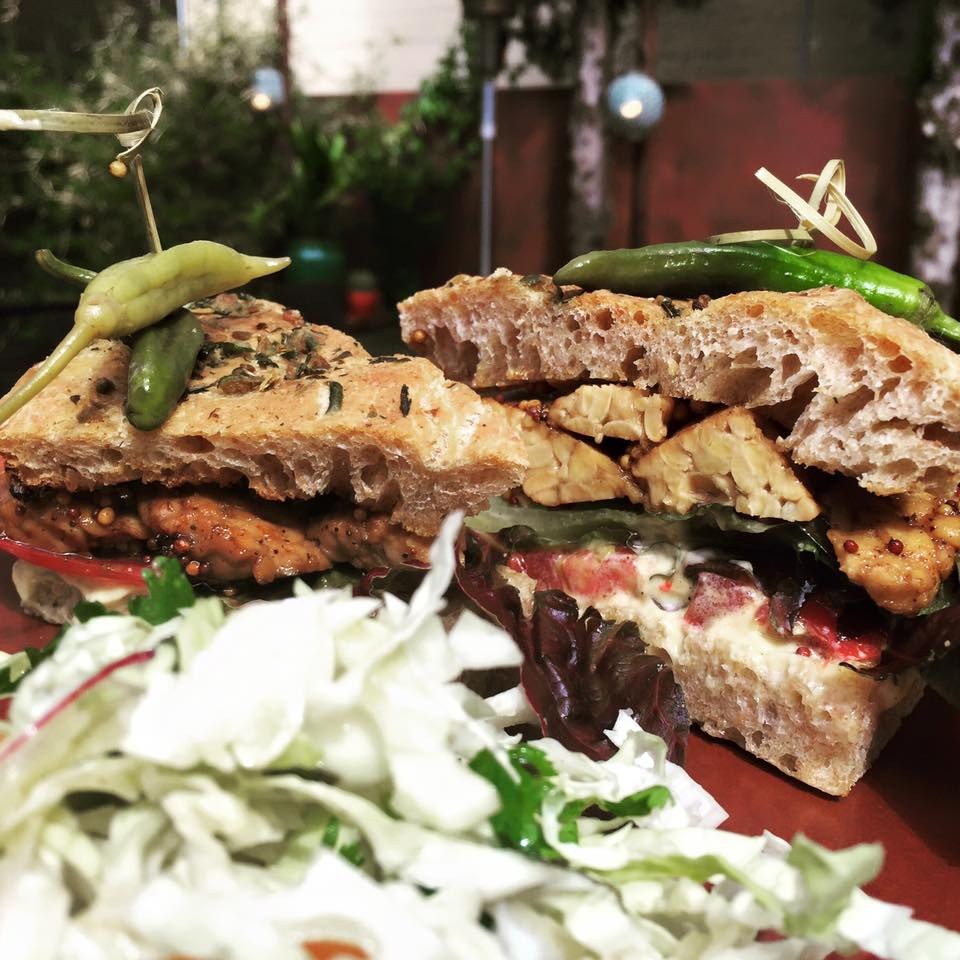
The original. Millennium opened in San Francisco in 1994, when "vegan fine dining" was a phrase that meant nothing to anyone in food. Chef Eric Tucker spent 31 years pushing the limits of what a plant-based kitchen could produce - a frequently changing seasonal menu, global influences, nothing that apologized for what it was. Michelin Bib Gourmand. It moved to Oakland's Rockridge neighborhood in 2015 and kept earning recognition.
The restaurant has announced it will close on May 16, 2026. If you're reading this before then and you're anywhere near the Bay Area, go. This is the restaurant that proved the whole model was viable before there was a model. Everything else on this list owes something to the fact that Millennium existed.
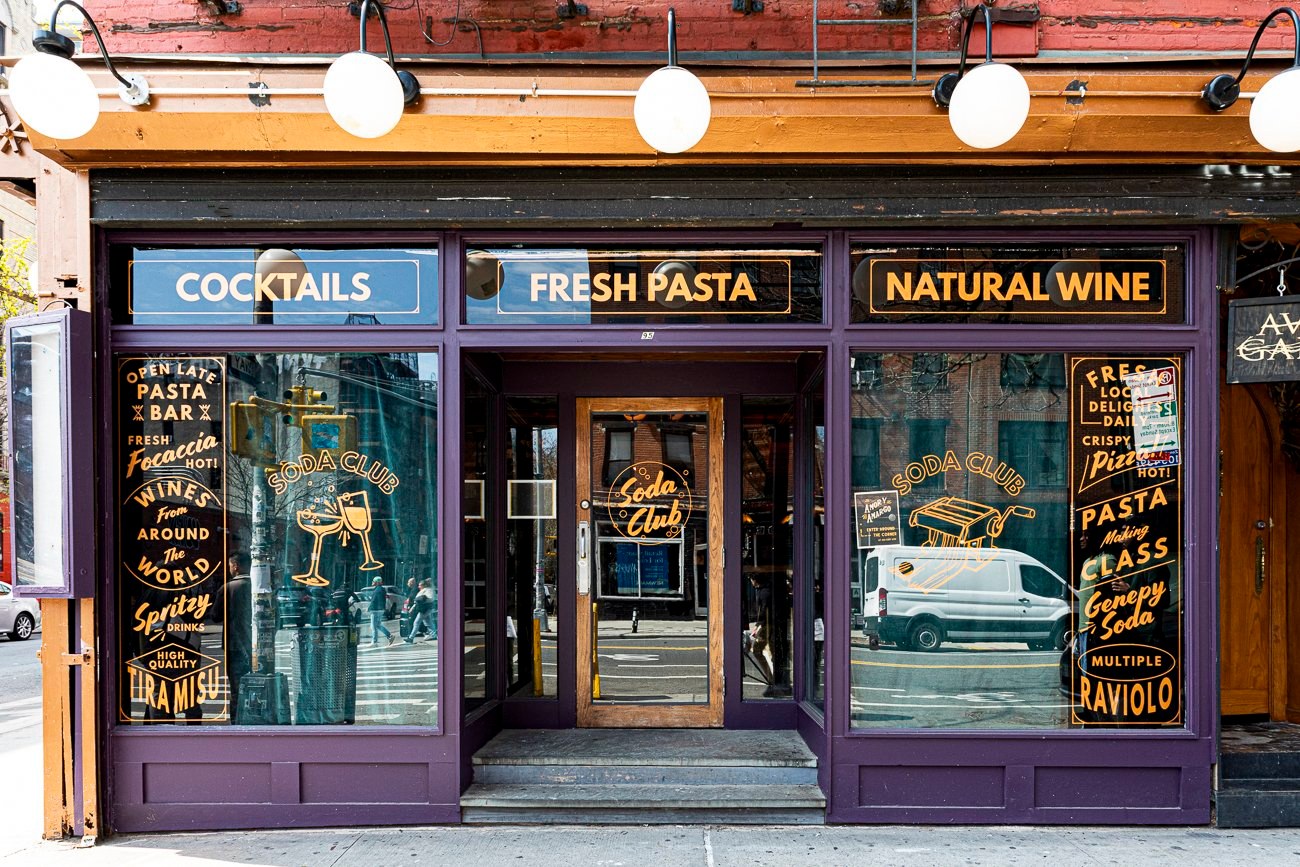
A plant-based pasta bar and natural wine destination in the East Village with a Michelin Bib Gourmand. Chef Pedro Allende makes hand-cut pasta and Roman-style pinsa with long-fermented dough. Over 200 natural and organic bottles on the wine list. It's part of the Overthrow Hospitality group, which has been building out a vegan restaurant portfolio in New York over the last few years.
The East Village has been one of the centers of New York's plant-based scene for a while, but a Michelin Bib at a pasta bar specifically feels like a marker of something normalizing. This isn't a destination fine-dining experience. It's somewhere you'd go for carbs and wine on a Friday. That the Bib Gourmand followed is the point.
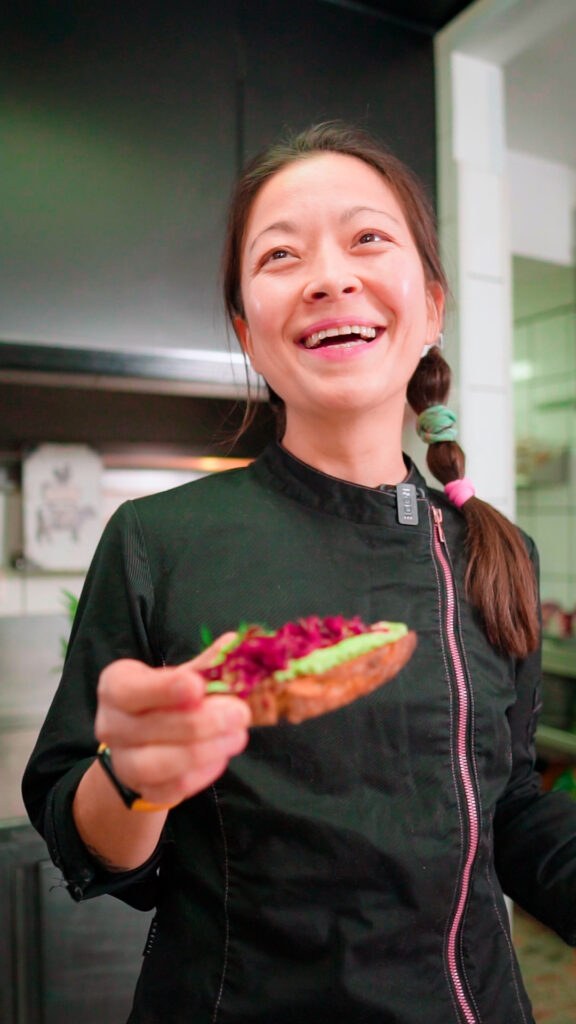
Chef Josita Hartanto has run Lucky Leek in Berlin's Prenzlauer Berg since 2011. Fourteen years. Seasonal tasting menus, no meat substitutes, no shortcuts - just original plant-based cooking in an intimate room that seats a small number of tables. Michelin Bib Gourmand throughout.
Berlin has been the most important city in Europe for vegan food culture for the last two decades, and Lucky Leek is part of why. It existed before being vegan was fashionable in fine dining, and it built its reputation on quality rather than novelty. There's something I respect about a restaurant that just keeps doing the same thing with the same conviction for 14 years.
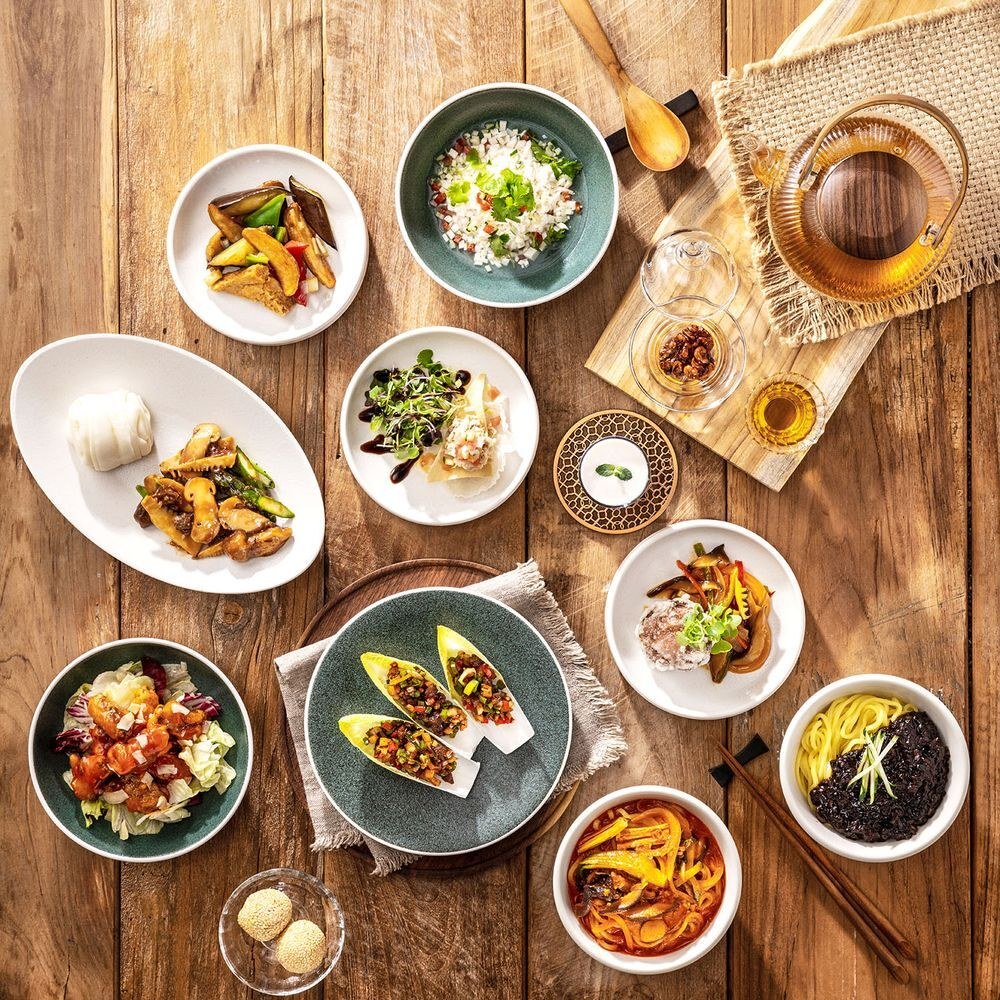
Korean-Chinese cuisine without animal products - jjajangmyeon, tangsuyuk, jjamppong, yurinyuk, all made with plant-based meat alternatives and vegetables. Alt.a is in Yongsan, holds a Michelin Bib Gourmand, and is doing something I find genuinely interesting: taking a cuisine that's built around specific comfort-food memories and removing every animal product without removing the flavor logic.
Korean-Chinese food is not the obvious candidate for plant-based reinvention. It's oily, savory, deeply reliant on pork and seafood. The fact that Alt.a has made this work to Michelin's satisfaction - and become a destination for diners who grew up eating the originals - says something about how good the cooking must be.
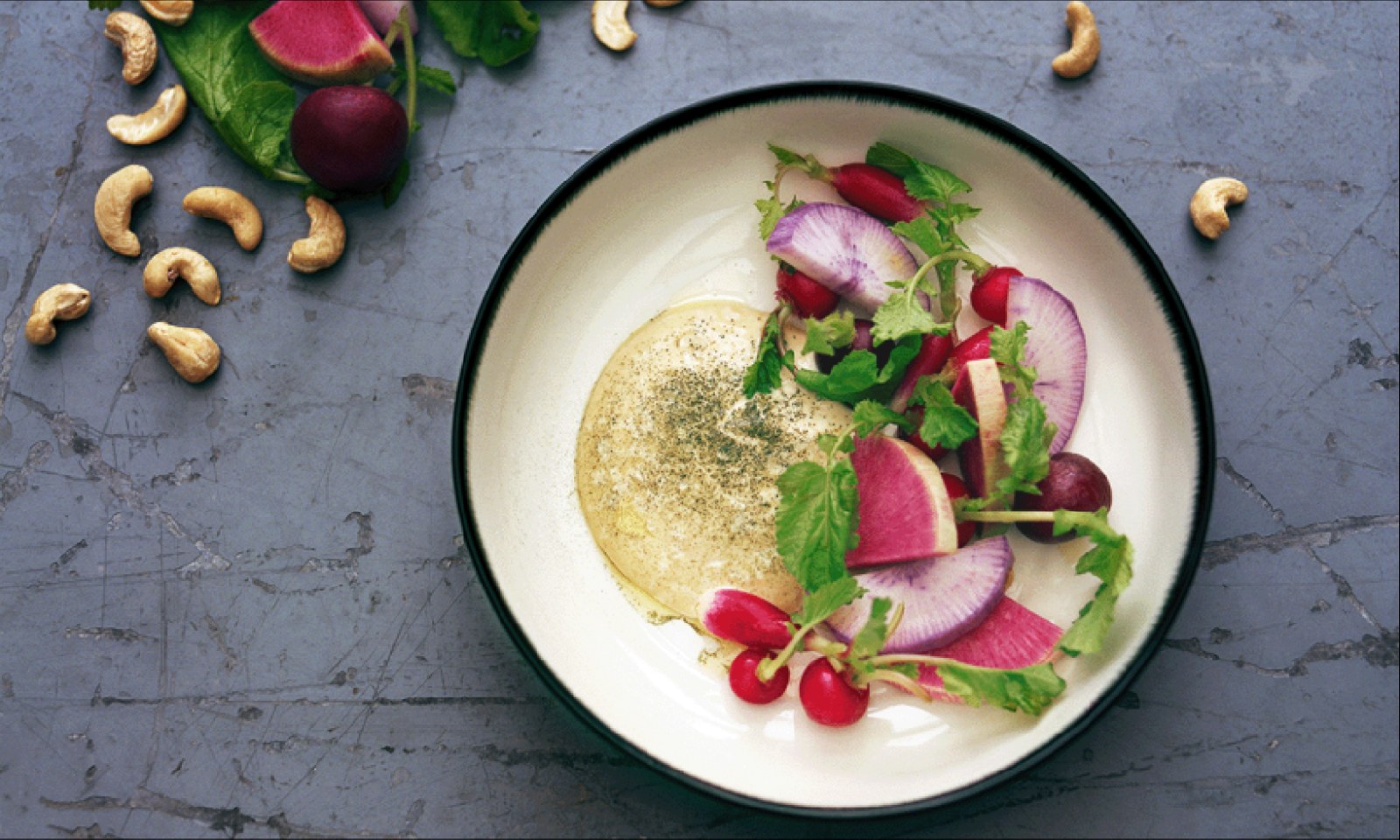
Chef Karen Shu trained under Jean-Georges Vongerichten in New York before returning to open And/or in Antwerp with sommelier Tatiana Gumuchdjian. An intimate counter with a seasonal sharing menu built around vegetables, grains, and fermented elements. Michelin Bib Gourmand.
What I keep coming back to is the training. Vongerichten is one of the most technically precise chefs in the world, and his kitchen produces classical-inflected food at a very high level. Taking that technical foundation and applying it entirely to plants in a counter restaurant in Antwerp is an unusual career path. The combination of Shu's technique and Gumuchdjian's wine focus sounds like exactly the kind of place where the whole is considerably more than the sum of its parts.
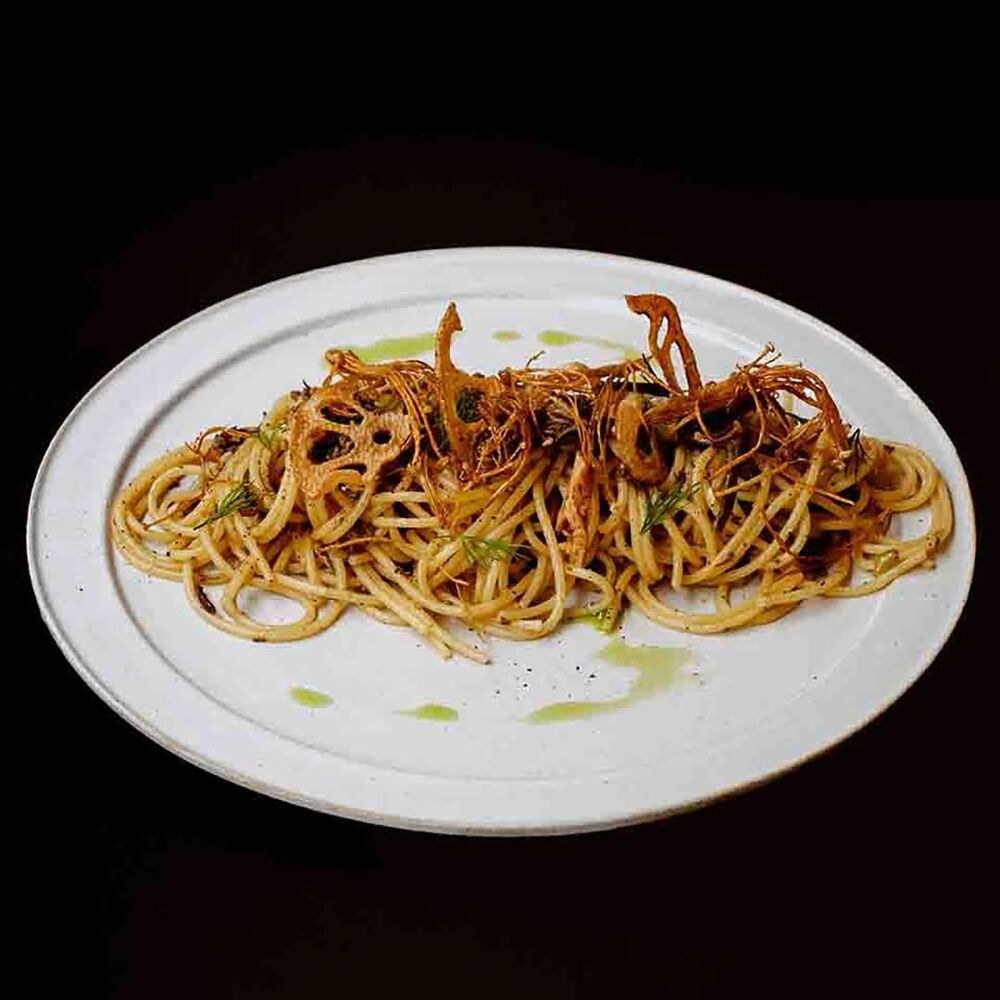
"Around Plants." A reservation-only vegan restaurant in Busan's Yeongdo-gu with a Michelin Bib Gourmand. The signature is bracken pasta - dried bracken (gosari) and mushrooms with house-made rice wine, giving the noodle a chewy, nutty character unlike anything in a Western pasta tradition. Reservation only.
Busan is South Korea's second city and it's not where I'd have expected to find a Michelin-recognized vegan destination. That's partly why I find arp compelling - it's not following a predictable geography. The bracken pasta in particular is the kind of dish that could only exist in a specific cultural context, built from ingredients that carry meaning in Korean food history. That feels like what fine dining should be doing.
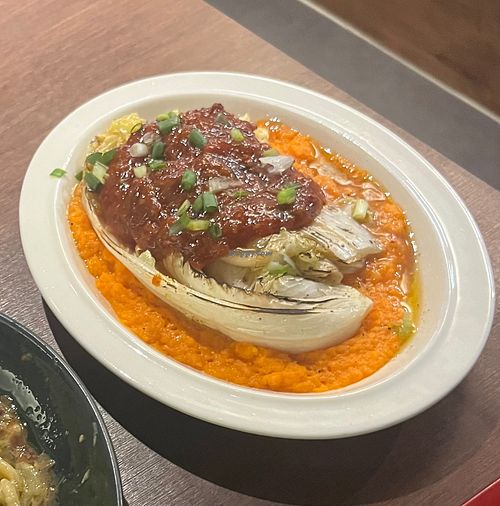
A red awning in Sindang-dong Jungang Market. Every dish is built around a signature gosari (bracken) oil sauce - bibim noodles with perilla seed powder and chickpea hummus, Taiwanese-style pancakes with sweet-tangy gosari chili. Newly added to the 2026 Seoul Michelin Guide, with a Bib Gourmand and a Green Star awarded in the same year. The motto inside reads "Vegetarian everyday."
Korean Buddhist temple cuisine has been doing fermented, vegetable-driven cooking for centuries. Gosari Express is what happens when that knowledge gets condensed into a tiny market stall and noticed by inspectors trained on tasting menus. The bracken noodles are the dish the 2026 guide singled out specifically. I want to go.
🌿 Green Star
Recognized specifically for their commitment to sustainable gastronomy - farming practices, waste reduction, sourcing ethics. Separate from the red star system.
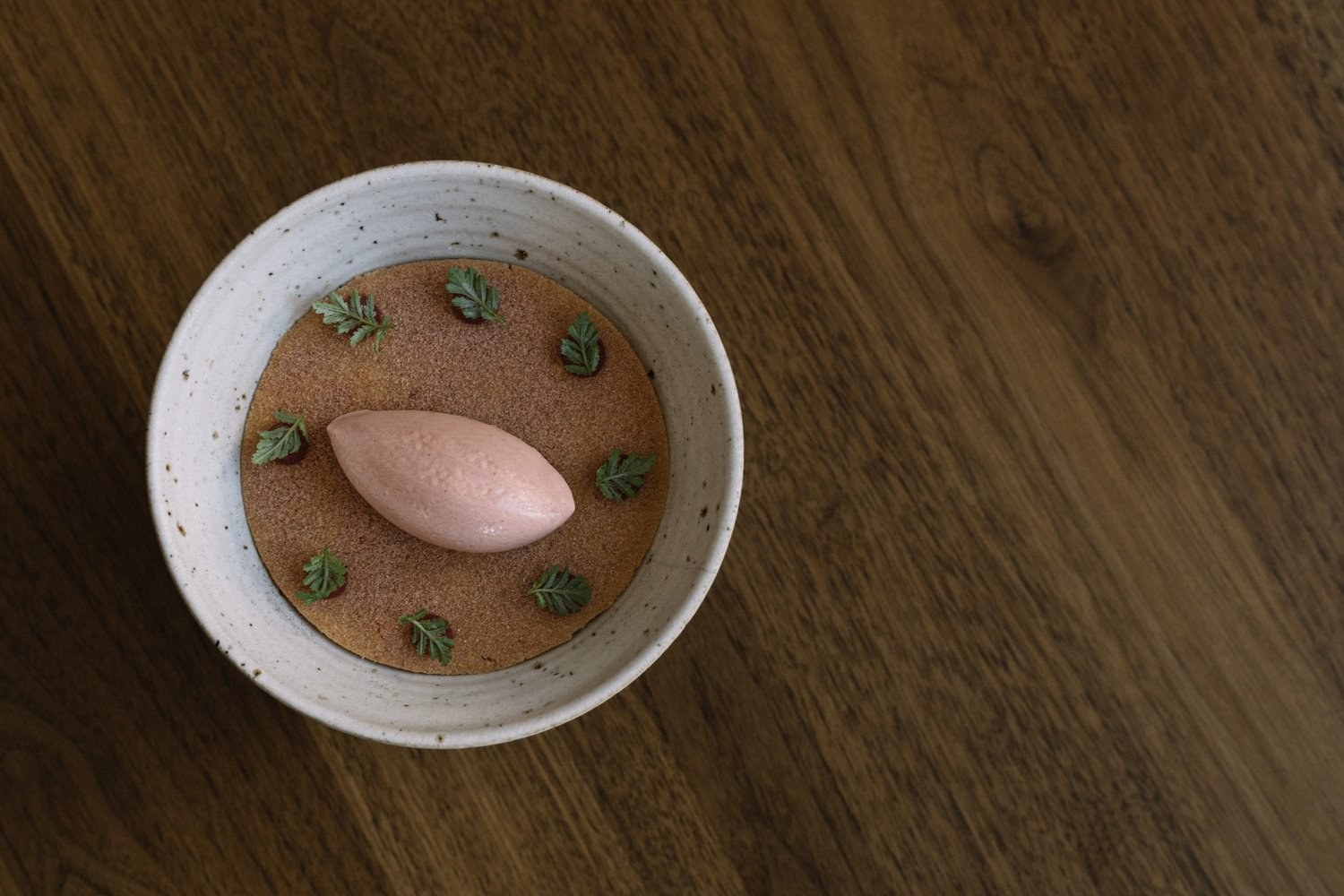
The first vegan restaurant in the Nordics to earn a Michelin Green Star. Ark is in central Copenhagen, founded by Jason Renwick with chef Brett Lavender and creative director Jenia Nelisova. The kitchen works with foraged, fermented, and cultivated ingredients - including mushrooms from its own Funga Farm. Seasonal Nordic produce, a tasting menu, a commitment to the full sustainability picture.
Copenhagen is an interesting city to watch this happen in. It has the most sustainability-conscious food culture of any major European city, and the competition for recognition there is real. Being the first vegan restaurant in the Nordics to get a Green Star in that context isn't a participation trophy.
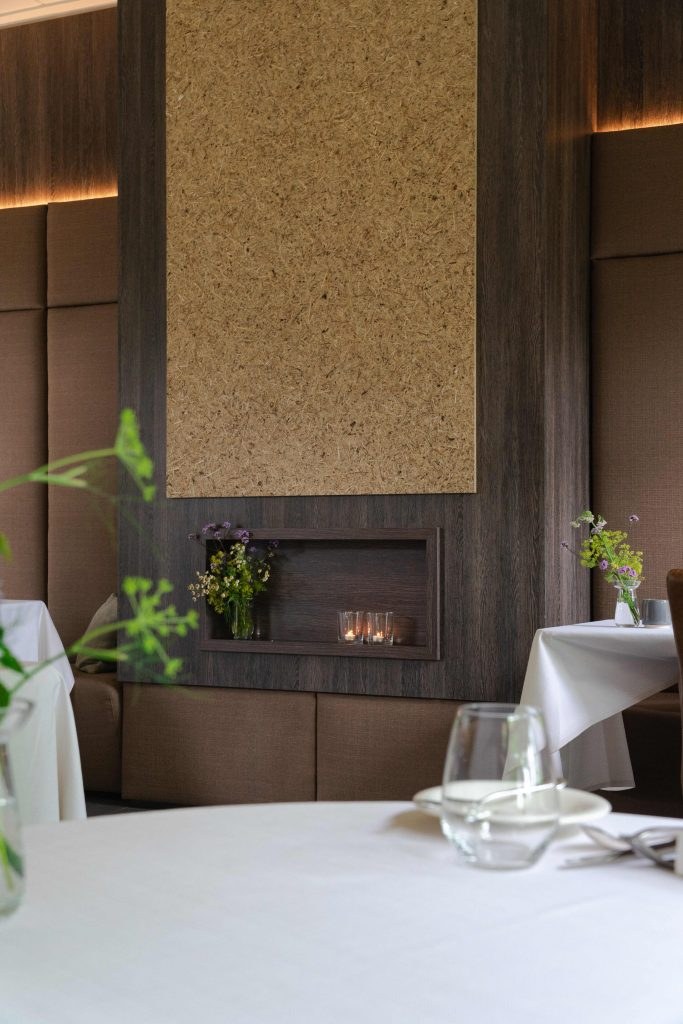
Chef Gijs Kemmeren opened Restaurant Vannu in the village of Bavel, near Breda, in July 2023. A multi-course tasting menu built around Dutch vegetables and ingredients sourced entirely from the surrounding countryside. Michelin Green Star for local and sustainable sourcing.
Bavel is a village of about 5,000 people. The choice to open a fine dining restaurant there rather than in Amsterdam or Rotterdam is a statement about where the food actually comes from. There's a directness to the geography - the menu is the area, not an interpretation of the area from a city kitchen. I find that more interesting than most farm-to-table concepts, because the distance between field and plate is measured in kilometers rather than supply-chain relationships.
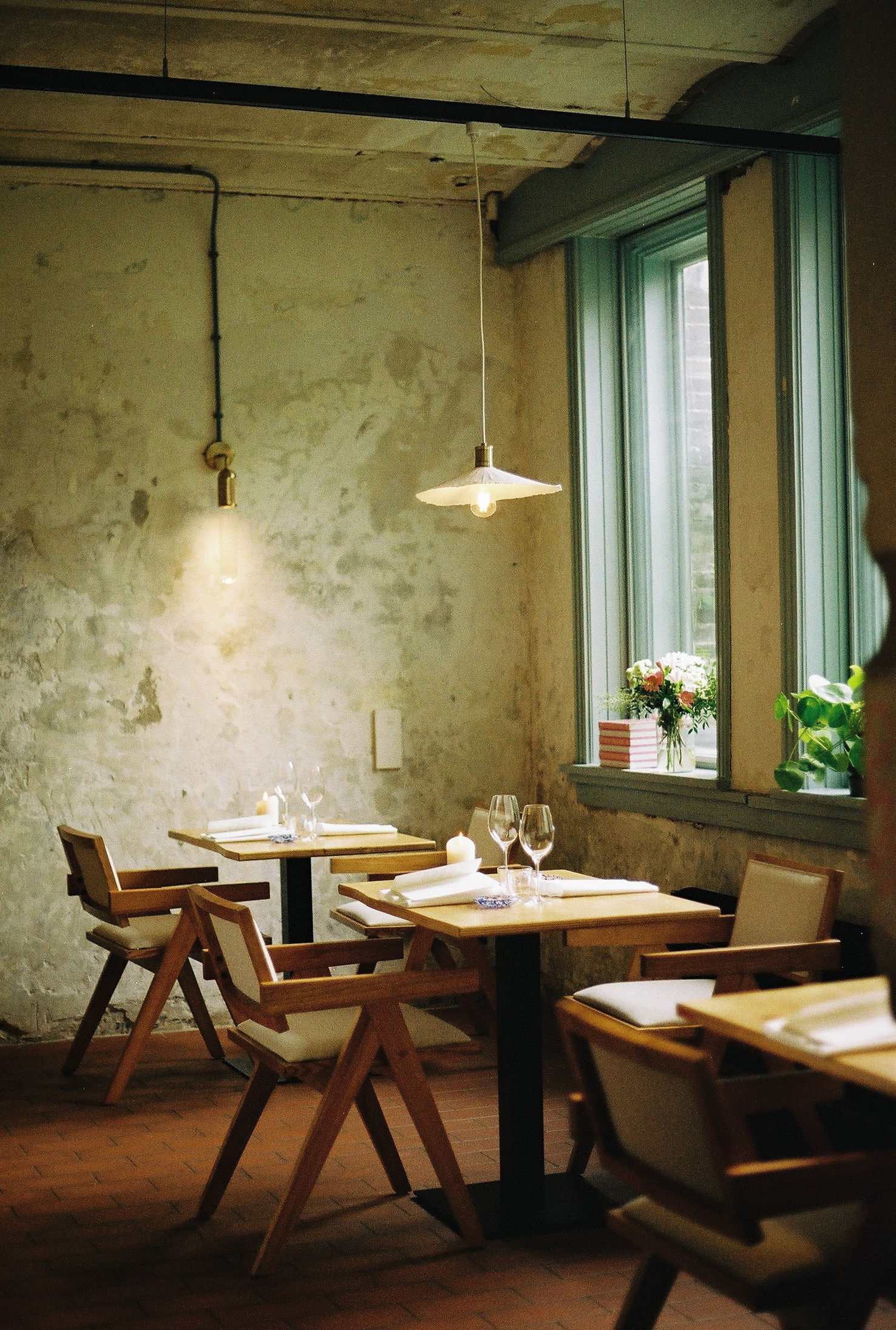
Arnhem is not a city people travel for food. That's starting to change, and Konijnenvoer is the reason. Chef Demian Parasmo's fully plant-based kitchen earned a Michelin Green Star in October 2025 - the Netherlands now has two fully vegan restaurants in the guide, and this is the newer arrival. The approach is Mediterranean-inflected but rooted in local Dutch produce: fermented flavours and playful textures, oyster mushrooms treated with shio koji, hazelnut cream, wild onion tops braised in Tomasu soy. The 5-course menu is €72, the 7-course €97 - dinner Thursday through Sunday.
What I find interesting is the trajectory. Best vegan restaurant in the Netherlands in 2021. Michelin Guide listing in July 2025. Green Star three months later. And by July 2026 they're moving into the historic Presickhaeff Huys building on Kerkstraat - a 16th-century landmark in the centre of Arnhem. The recognition is accelerating and the restaurant is scaling into it.
Notable cases with caveats
Restaurants on this list with an asterisk attached: places that earned Michelin recognition while fully plant-based and have since closed, transitioned, or carry an exception worth flagging. Kept on this list because they shaped what is possible - and because the caveats matter.
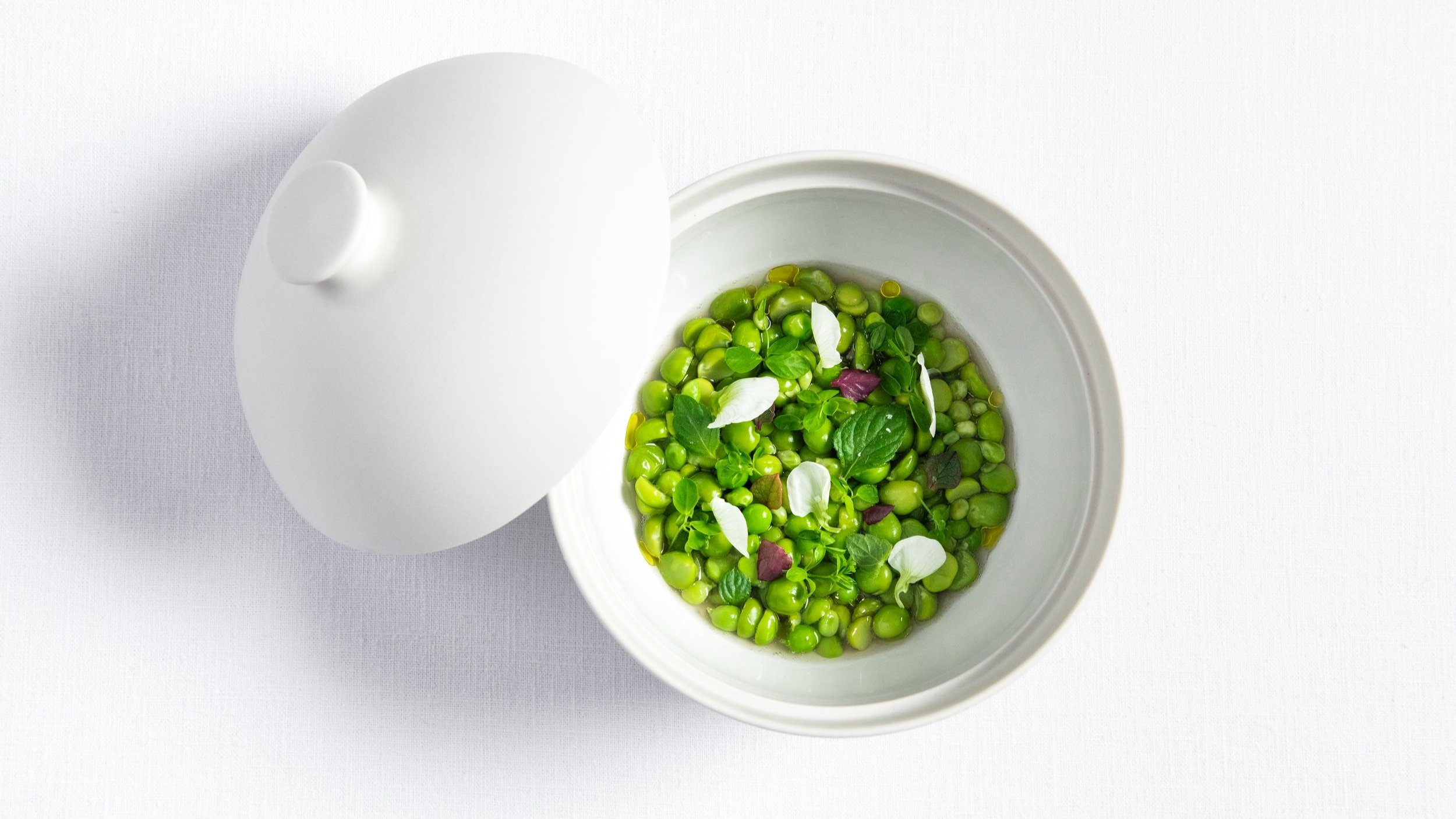
In 2017, Eleven Madison Park was ranked #1 on the World's 50 Best Restaurants list. In 2021, chef Daniel Humm announced it would reopen post-pandemic as a fully plant-based restaurant. He lost his longtime business partner over it. Food critics wrote eulogies for the restaurant before it reopened. It kept all three Michelin stars.
I think this is the most significant data point in the entire vegan fine dining story. The highest-rated restaurant in the world, by the most recognized ranking in food, chose plants - not as a trend, not as a PR moment, but as a genuine conviction that this was the right direction for cooking at this level. The backlash was loud. The stars stayed. That's the only part that matters.
The dish everyone talks about: a celery root roasted whole and then "carved like a duck" tableside, lacquered over hours, served with a broth made from 40+ vegetables. Zero animal products. Reportedly one of the most technically impressive things on a plate in New York regardless of how you eat.
⚠️ In October 2025, EMP reintroduced selected animal products (announced August 2025, implemented October 14, 2025). It is no longer fully plant-based. Kept here because it held all three stars as a fully vegan restaurant from 2021 to 2025 - historically the highest Michelin recognition any fully vegan restaurant has ever received.

In July 2025, Alain Passard removed all meat, dairy, eggs, and fish from L'Arpège - the first chef in France to take a three-Michelin-star restaurant entirely plant-based. Honey from his own beehives in the Sarthe is the single animal product still on the menu, which is why this entry sits separate from the strictly vegan tier even as it represents the most decorated plant-based fine dining in the world right now.
The kitchen has been heading this direction for over twenty years. Passard removed red meat in 2001 and built three organic gardens whose harvests have driven the menu since. The 2025 transition was less a rupture than a final step. He has said he wants the dish to be "the garden, on the plate."
What this entry represents on this list: the closest thing to a fully vegan three-star restaurant in 2026. Whether the honey caveat matters depends on your definition - I am keeping it explicit here so you can decide.
⚠️ L'Arpège is plant-based but not strictly fully vegan - honey from Passard's own beehives remains on the menu. Listed here as a near-vegan outlier in the most decorated tier.
France's first fully vegan Michelin-starred restaurant, in a city most people have never thought about visiting. Claire Vallée opened ONA (Origine Non Animale) in 2016 in Agen, Nouvelle-Aquitaine - not Paris, not Lyon, not Bordeaux, but a smaller city in Gascon country. In 2021 she earned a Michelin Star. In 2022 a Green Star.
The thing I find remarkable about this is the context. French culinary tradition is built, more than any other national cuisine, on butter, cream, and animal protein. It is a cuisine that has resisted modification for centuries and treats deviation as heresy. Getting a Michelin Star inside that system - in France, with French inspectors, from a French guide - as a fully vegan restaurant means something different than getting one anywhere else. Vallée trained as a marine biologist before switching careers specifically because she believed vegan gastronomy could stand alongside France's most rigorous cooking. She was right, and the guide had to admit it.
⚠️ ONA closed in 2022, about a year after receiving the star. Claire Vallée continues her work in plant-based gastronomy.
What I keep thinking about
A few dozen restaurants. Nine countries. They arrived at Michelin recognition through completely different paths: a food forest in Gelderland, a career change from marine biology, a building six meters wide, a software engineer who decided to cook, a restaurant that risked everything going plant-based at the peak of its reputation.
No template. No canonical institution. No Alain Ducasse of plant-based cooking. Every chef on this list invented their own language. That is the actual state of plant-based fine dining in 2026 - not a tradition yet, just a set of parallel inventions that happen to share an ingredient list.
Five years from now, most of these restaurants will not exist in their current form. Industry attrition is brutal even for established cuisines, and these are by definition outliers. Some will close. Some will pivot. Some will dilute the concept under economic pressure. The handful that survive intact, with their identity unchanged, will be the ones that define what plant-based fine dining actually becomes.
I haven't eaten at any of them yet. I intend to fix that. But the question I actually want to answer is not how the food tastes - it's whether any of them have built something that feels like a coherent culinary tradition, or whether each of them is still a one-of-one. My guess is mostly the second. That's the most interesting state for a cuisine to be in. If you have eaten at one of these and have a take on which way it felt - coherent or singular - I'd genuinely like to know.
All restaurants are tracked on PlantsPack: Michelin-recognized plant-based pack